

This month marked the 31st anniversary of the Srebrenica genocide, during which more than 8,000 Bosniak men and boys were systematically murdered by Bosnian Serb forces in an act later recognised as genocide.
The wars that tore apart the Balkans during the 1990s shattered a powerful illusion—that large-scale war had been banished from Europe after the Second World War. As Yugoslavia collapsed, Europe once again witnessed ethnic violence, mass displacement and genocide on its own soil. The Balkan wars were not simply local conflicts. They exposed the limits of European unity, the fragility of multinational states, and the continued importance of external powers in shaping Europe’s security order.
At the centre of the Balkan wars was the disintegration of Yugoslavia, a multi-ethnic federation created after the Second World War. Yugoslavia consisted of six republics, each with its own historical, religious and ethnic identity.
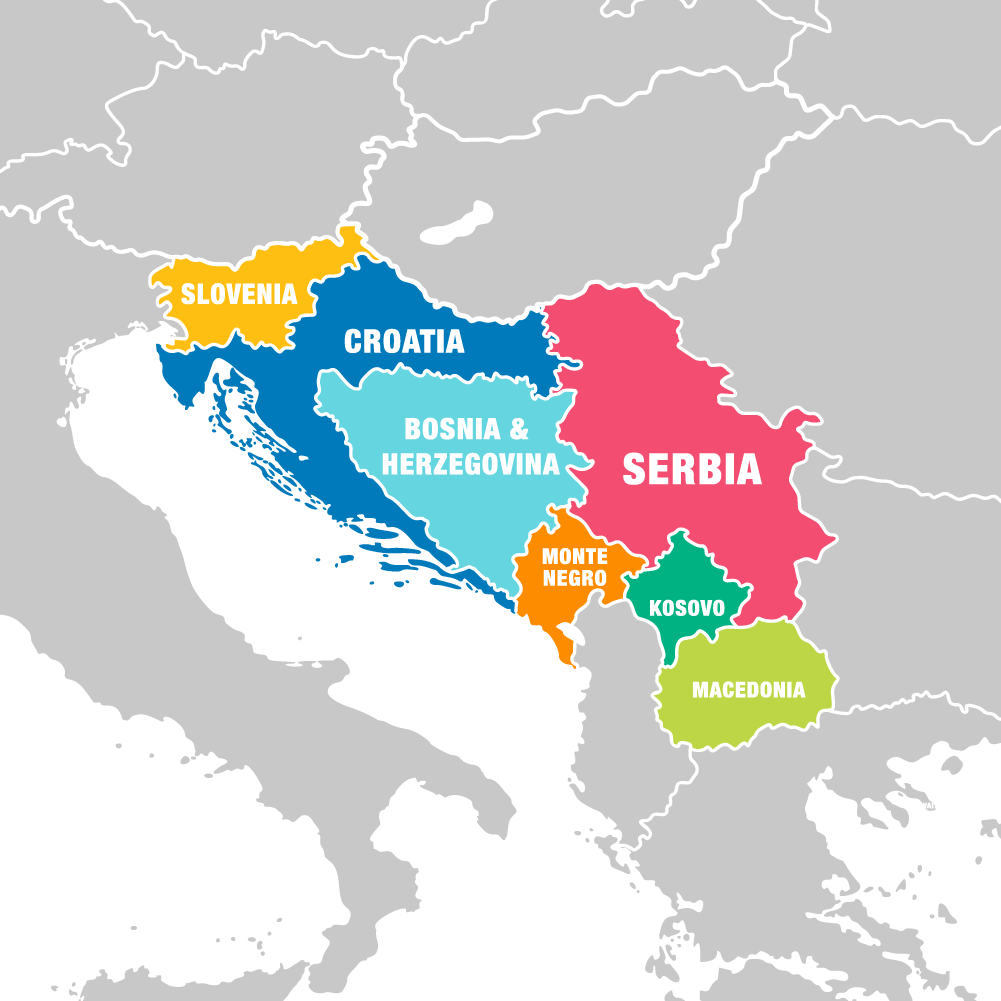
Despite its federal structure, identity was shaped less by republican borders than by religion and ethnicity. Orthodox Christians, the largest group, were primarily Serbs. Catholics were largely Croats, while Bosniaks were predominantly Muslim. Despite these differences, Yugoslavia was held together by the strong central leadership of Josip Broz Tito.
Tito died in 1980, just as the Soviet Union entered its period of decline. Yugoslavia quickly began to unravel as its institutions proved too weak to contain growing political divisions and an increasingly severe economic crisis. With the country’s long-time leader gone, the republics increasingly pursued their own national interests.
In the first multi-party elections in 1990, former communist parties largely failed to retain power. Instead, nationalist parties swept to victory, promising to defend the interests of their respective ethnic groups. The collapse of the Soviet Union removed the broader geopolitical framework that had helped stabilise Eastern Europe. With ideological constraints disappearing, long-suppressed ethnic and historical grievances resurfaced.
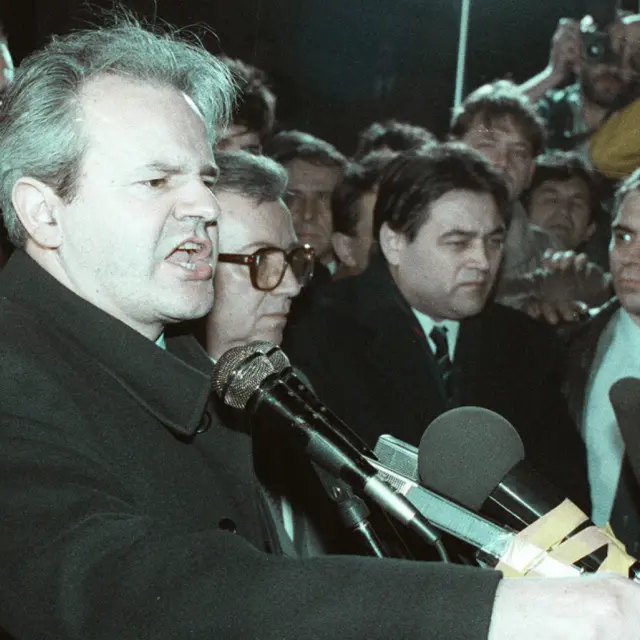
This fuelled the rise of nationalist leaders, most notably Slobodan Milošević, who sought to recentralise Yugoslavia under Serbian leadership. In response, the other republics increasingly pushed for independence, fearing Serbian domination.
The wealthiest republics, Slovenia and Croatia, led demands for greater decentralisation. Serbia, however, the federation’s largest republic, resisted these reforms and instead mobilised Serb populations across Yugoslavia in support of a stronger central state.
On 25 June 1991, Slovenia and Croatia declared independence, a move deemed unconstitutional by the Yugoslav government. Serbia accused both republics of separatism, and the Serb-dominated Yugoslav People’s Army responded with military force.
Conflict first erupted in Slovenia before shifting to Croatia, where a sizeable Serb minority opposed independence and sought to remain aligned with Serbia. Thousands were killed before a UN-monitored ceasefire was reached later that year. Germany’s early recognition of Croatia and Slovenia created divisions within the European Community and complicated diplomacy. However, far worse was yet to come.
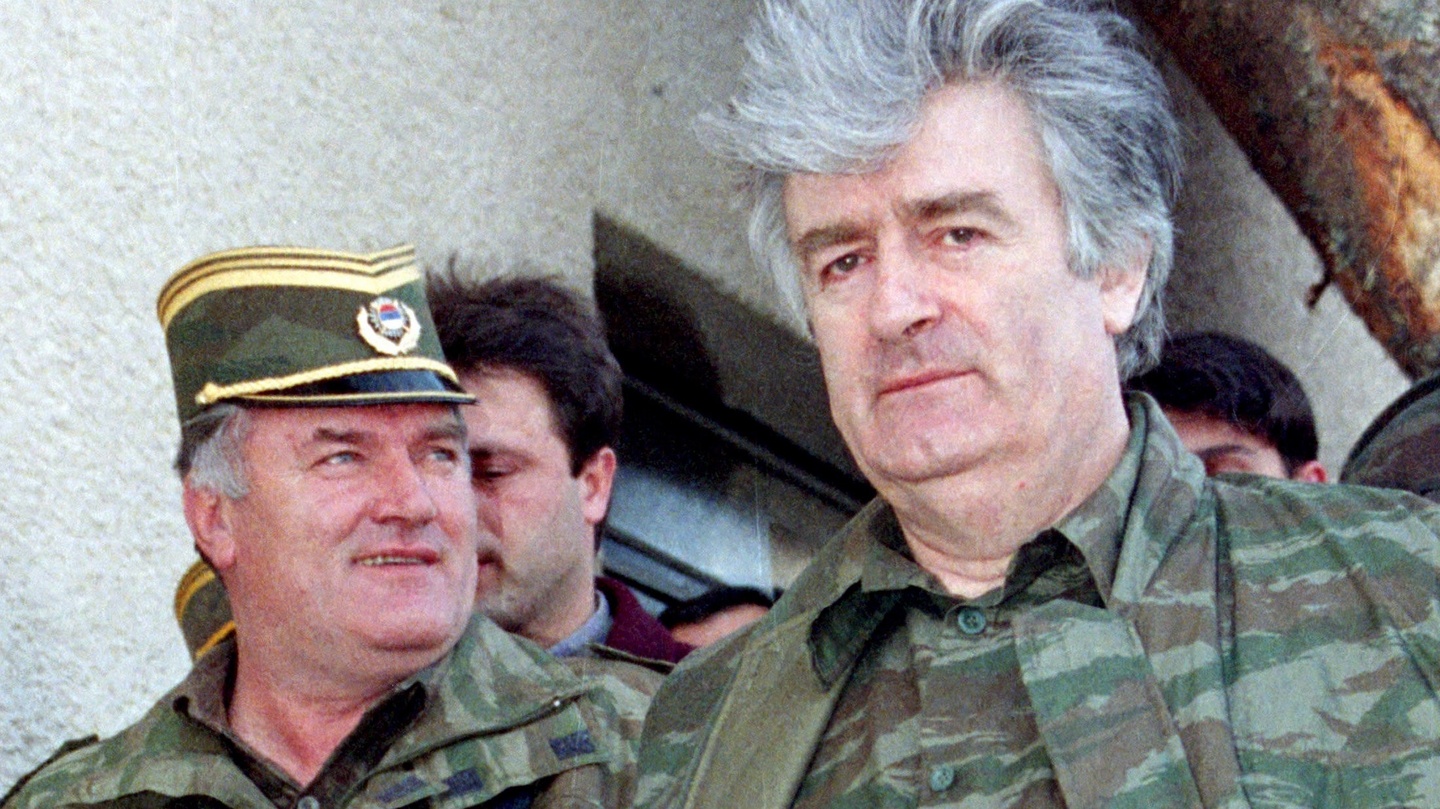
Bosnia and Herzegovina, Yugoslavia’s most ethnically mixed republic, declared independence following a referendum in 1992. Bosnia was home to a complex mix of Bosniaks, Serbs and Croats. Bosnian Serbs, backed by Serbia, rejected independence and, under the leadership of Radovan Karadžić, threatened violence if Bosnia left Yugoslavia.
Bosnian Serb forces laid siege to Sarajevo in April 1992. The siege would last 44 months, making it the longest siege of a capital city in modern history. More than 350,000 residents struggled to survive under constant shelling and sniper fire, while over 10,000 people were killed. By May 1992, Bosnian Serb forces controlled around two-thirds of Bosnia and Herzegovina.
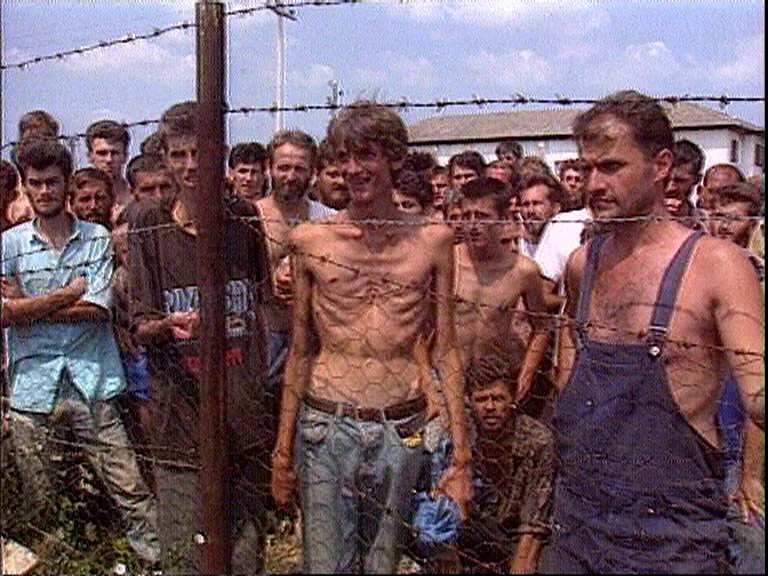
By August 1992, television images of skeletal prisoners held inside detention camps shocked the world, exposing a systematic campaign of ethnic cleansing carried out by Bosnian Serb forces. An estimated 20,000 women, most of them Bosniak, were subjected to organised sexual violence. In response, the United Nations deployed peacekeepers and established several so-called “safe areas” intended to protect civilians. In practice, however, these zones proved largely ineffective.
In 1995, after more than three years of war, Bosnian Serb forces moved to eliminate the remaining Muslim enclaves, including Srebrenica and Žepa. In Srebrenica alone, up to 8,000 Bosniak men and boys were massacred.
In 2007, following five years of deliberation, the International Court of Justice ruled that the killings at Srebrenica constituted genocide—the worst atrocity committed in Europe since the Second World War.
NATO eventually intervened, launching sustained air strikes against Bosnian Serb military positions. After three weeks of bombing, the Serbs agreed to negotiate. The Dayton Peace Accords were initialled in Dayton, Ohio, in November 1995 and formally signed in Paris the following month. The Dayton Agreement effectively froze the conflict rather than resolving Bosnia’s underlying constitutional divisions, which continue to shape the country today.
By 1996, Slovenia, Croatia, North Macedonia, and Bosnia and Herzegovina had all emerged as independent states. However, conflict returned in 1998 in Kosovo, a Serbian province with an ethnic Albanian majority seeking independence.
Serbian security forces responded with widespread repression, including attacks on civilians. Diplomatic efforts repeatedly failed. In 1999, US Secretary of State Madeleine Albright presented Serbia with an ultimatum: end the campaign of ethnic cleansing and grant autonomy to Kosovo or face military intervention. When Milošević refused, NATO launched Operation Allied Force in March 1999.
following five years of deliberation, the International Court of Justice ruled that the killings at Srebrenica constituted genocide—the worst atrocity committed in Europe since the Second World War
Following an 11-week bombing campaign, Serbia agreed to withdraw its forces from Kosovo. Around 13,000 people had been killed and hundreds of thousands displaced. Milošević was overthrown in 2000, arrested the following year and transferred to The Hague, where he died in 2006 before his trial concluded. Kosovo declared independence in 2008, although Serbia continues to reject its sovereignty.
The Balkan wars exposed profound weaknesses in Europe’s ability to manage security on its own continent. Despite the collapse of the Soviet Union removing its principal strategic rival, Europe proved unable to prevent or contain the conflicts. Political disagreements among European governments over recognition, diplomacy and military intervention prevented a unified response. Even had Europe spoken with one voice, it lacked the military capability to enforce peace without American support.
European leaders initially misjudged the wars as isolated outbreaks of civil unrest rather than organised campaigns of ethnic violence. This hesitation allowed the conflicts to escalate. NATO’s eventual intervention not only ended the Bosnian War but also gave the alliance renewed purpose at a time when many questioned its relevance following the end of the Cold War.
The Balkan wars became Europe’s first major geopolitical test after the collapse of the Soviet Union—and they demonstrated that Europe could not manage a major security crisis on its own. The Ukraine war, shows the continent once again faces major interstate conflict despite believing such wars belonged to the past. These conflicts serve as a stark reminder that peace on the continent can never be taken for granted, and that European political and military unity remain far from complete.