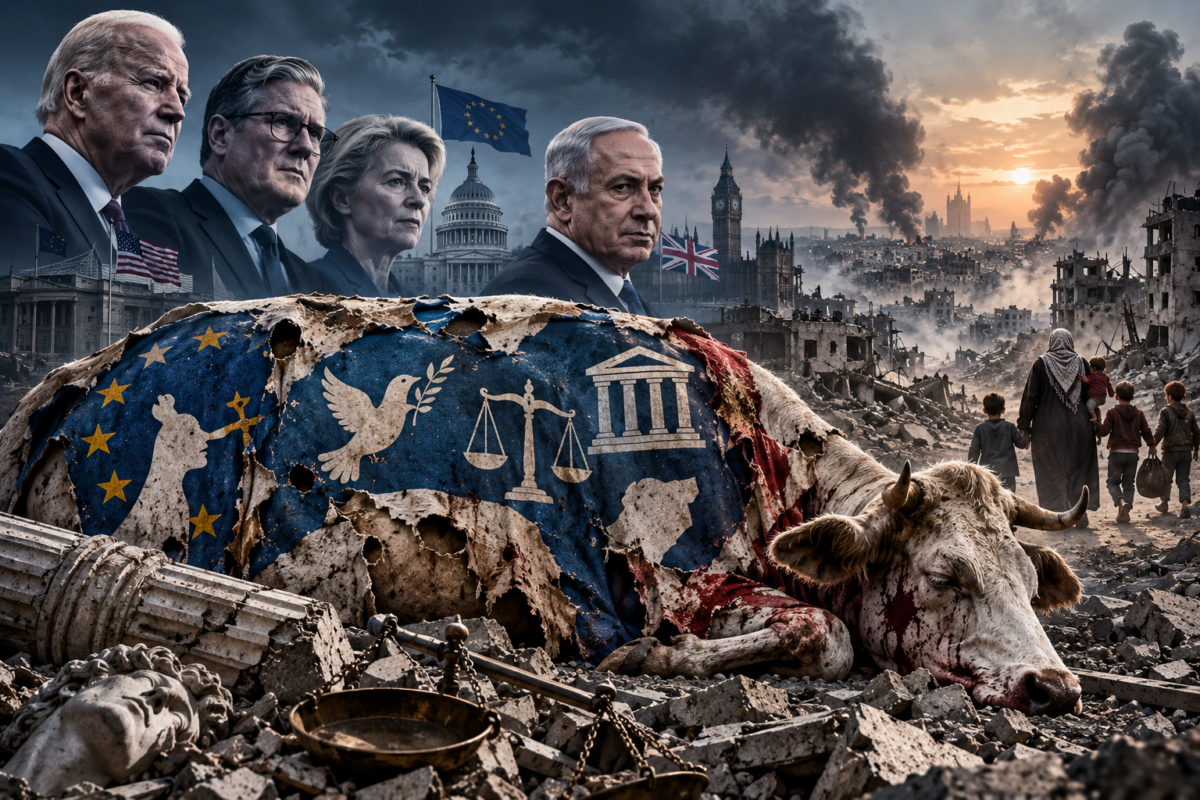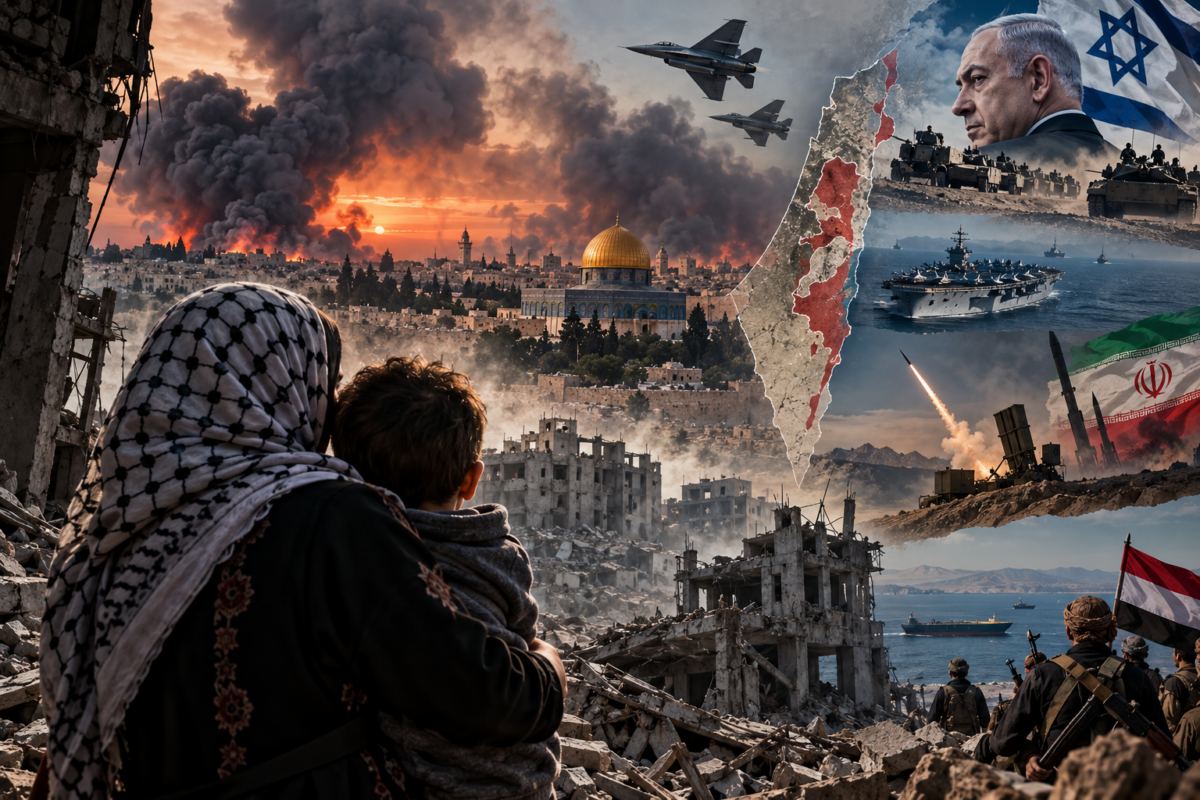


Six months ago, on 28 February 2026, the US and Israel launched their war against Iran. Washington expected its overwhelming military superiority to rapidly degrade Iran’s capabilities and force Tehran to accept American terms. Six months later, Iran has not capitulated. Its government remains in power, it retains significant military capabilities and the Strait of Hormuz remains at the centre of the conflict.
Iran has not defeated America militarily. The US remains vastly superior and capable of inflicting enormous destruction. But geopolitics is ultimately about achieving political objectives, not simply destroying targets. So far, Washington has failed to translate military superiority into a decisive political outcome. More importantly, the war has undermined four assumptions underpinning American power in the Middle East
America’s Security Guarantees Have Been Exposed
For decades, America’s position in the Middle East rested on a simple promise: align with Washington and America will protect you. Saudi Arabia, Qatar, Bahrain, Kuwait and the UAE developed close security relationships with Washington. American troops, aircraft and naval forces spread across the region, with Bahrain hosting the US Fifth Fleet and Qatar the enormous Al Udeid Air Base. The Iran war has complicated this bargain.
Iran recognised that the infrastructure America needs to project power is located within Iran’s striking range. American bases provide Washington with offensive capability, but they simultaneously provide Tehran with targets.
During renewed fighting, Iran targeted American facilities in the Gulf and warned regional governments that infrastructure facilitating US attacks could also become targets. This creates an uncomfortable question for Washington’s Arab partners: Does hosting American forces protect them, or turn their countries into part of the battlefield?
The American bargain was supposed to be: align with us and we will protect you from Iran.
Increasingly, it risks becoming: align with us and Iran will consider you part of the war. The Gulf states are unlikely to abandon America, whose military capabilities remain difficult to replace. But alliances ultimately depend upon credibility. Every time an American partner concludes that Washington cannot protect it from the consequences of American policy, the value of that security guarantee diminishes.
Every time an American partner concludes that Washington cannot protect it from the consequences of American policy, the value of that security guarantee diminishes.
American Military Power Has Proved Inadequate
The second assumption damaged by the war concerns American military power. The US can destroy Iranian radar installations, command centres, missile facilities and infrastructure. But the war has demonstrated the difference between possessing military superiority and converting it into victory. Iran does not need to defeat the US military. It merely needs to prevent America achieving its political objectives. Tehran has used missiles, drones, dispersed forces, hardened facilities and the geography of the Persian Gulf to impose costs upon a technologically superior adversary. Even after months of bombardment, Iran retained significant missile capabilities.
This is asymmetric warfare. A cheap drone does not need to outperform an American fighter.
A ballistic missile does not need to defeat the US military. It merely needs to threaten an airfield, radar, port, oil facility or logistics hub upon which American operations depend. America possesses vastly greater military power. Iran possesses enough power to make converting that superiority into political victory extraordinarily expensive.
What Is an American Agreement Worth?
The third casualty is potentially even more consequential: American diplomatic credibility.
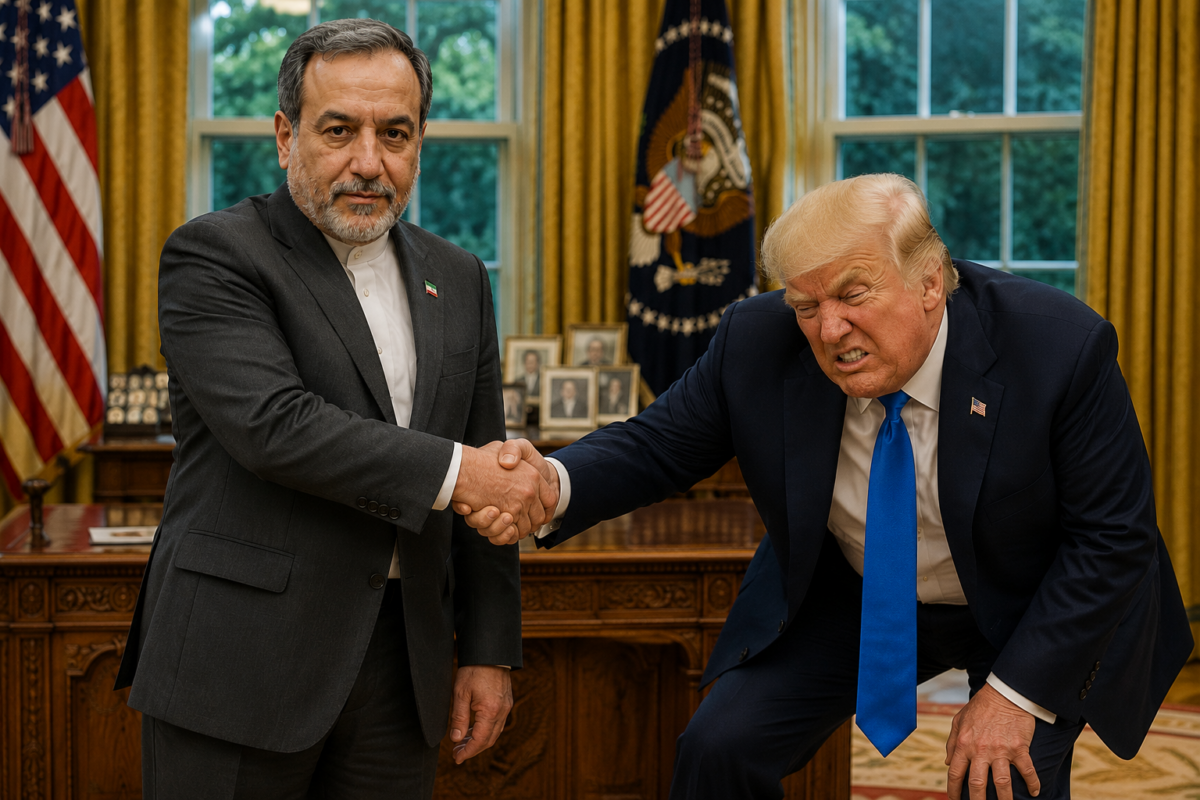
In June, Washington and Tehran agreed to a Memorandum of Understanding intended to end hostilities and provide 60 days to negotiate a permanent settlement. But the agreement unravelled. Both sides accused the other of violations and the negotiating period eventually expired without a permanent settlement. Washington argues Iran failed to fulfil its commitments; Tehran argues America never implemented its own and merely used negotiations to relieve pressure before returning to coercion.
The wider issue is credibility. American diplomacy has historically benefited from governments believing agreements with Washington provide something valuable: security, economic access, sanctions relief or simply an end to American pressure. If adversaries conclude agreements with Washington are temporary instruments rather than durable settlements, there is less incentive to compromise.
Iran’s hardliners appear to have drawn precisely this conclusion. Tehran increasingly emphasises “offensive deterrence” — convincing America that another attack will immediately impose significant costs. This creates a dangerous cycle. If negotiations cannot guarantee security, military deterrence becomes more attractive. And if states conclude that only the capability to inflict unacceptable damage guarantees their survival, America’s ability to achieve objectives diplomatically declines. American power has always consisted of more than aircraft carriers. It also depended upon governments believing American commitments.
Iran’s Real Nuclear Weapon
Perhaps the war’s most important lesson, however, lies in the Strait of Hormuz. Iran could never match America ship for ship or reproduce the Pentagon’s global network of bases. But Iran possesses something America cannot manufacture: Geography.
Roughly one-fifth of global petroleum liquids consumption normally passes through the Strait of Hormuz, and Iran sits directly alongside it. Hormuz therefore provides Tehran with leverage completely disproportionate to Iran’s conventional military strength. Iran does not need absolute control over every ship passing through the Strait. It merely needs to make passage dangerous enough that shipping companies, insurers, energy traders and governments change their behaviour. Mines, missiles, drones and even the threat of attack increase insurance costs and discourage commercial traffic.
By August, tanker traffic remained severely disrupted. This is one of the most significant lessons of the war. The world’s strongest navy has discovered that military superiority cannot eliminate geography. Iran has shown other weaker powers that controlling a strategic chokepoint can partially compensate for enormous conventional military inferiority.
This is why measuring the war purely through Iranian casualties or destroyed installations misses its geopolitical significance. America may have destroyed considerably more than Iran.
But what has America achieved? Iran’s government remains standing. Tehran has not surrendered. Hormuz remains contested. American bases remain potential targets and the June diplomatic settlement collapsed. America’s partners are therefore being forced to reconsider assumptions they previously took for granted.
Can American military superiority actually end a major regional war? Are agreements with Washington durable? Can the US Navy guarantee the global commons? These questions matter because hegemonic power is partly psychological. Countries align with a superpower because they believe resistance will fail while cooperation brings benefits. Once that calculation changes, maintaining hegemony becomes considerably more expensive.
Six Months That Changed the Middle East
None of this means Iran has emerged victorious or unscathed. Its infrastructure has suffered enormous damage, its economy faces intense pressure and its military has absorbed sustained attacks. America’s vastly larger economic and military resources remain formidable.
But six months into the war, the question is no longer whether America can inflict enormous destruction upon Iran. It clearly can. The question is whether that destruction can produce the political outcome Washington sought. So far, the answer is no.
Instead, Iran has demonstrated how a weaker state can resist a superpower: disperse military capabilities, attack the infrastructure superior forces depend upon, impose costs upon its adversary’s allies and, above all, weaponise geography. Hormuz has consequently become more than the central battlefield of the Iran war. It is becoming a case study in how weaker powers can resist much stronger ones.
For decades, American influence in the Middle East rested upon four assumptions: America provided security, possessed overwhelming military superiority, offered agreements worth signing and guaranteed access to strategic waterways.
Six months of war have weakened all four. America remains the world’s pre-eminent military power. But Iran has exposed an important distinction between possessing power and being able to translate that power into political outcomes. For a superpower, once other nations begin to recognise that distinction, the consequences can extend far beyond a single war. The US-Israel Alliance war on Iran is becoming a case study in how weaker powers can resist much stronger ones.