
Download Strategic Estimate 2026
Features
- Has Trump ended 7 wars?
- Will MAGA implode?
- Can Russia keep a foothold Syria?
- China was the winner in the India-Pakistan conflict?
- Has Europe’s century of humiliation begun?
- Rare Earth Geopolitics
- The Death of the West’s sacred cows
The central theme of this year’s Strategic Estimate 2026 report is the systematic slaughtering of the West’s sacred cows—the long-held assumptions, norms, and institutional taboos that once underpinned Western power and legitimacy. Ideas that were treated as untouchable for decades—free trade as an unquestioned good, independent institutions as neutral arbiters, permanent US alliance leadership, moral authority in foreign policy, and the inevitability of liberal democratic expansion—are now being openly challenged, abandoned, or weaponised. In 2026, these pillars are not collapsing due to external enemies alone, but are being dismantled from within by Western leaders responding to domestic pressure, geopolitical competition, and strategic fatigue.
The year 2026 marks a decisive inflection point in global politics. The assumptions that underpinned the post–Cold War order—American primacy, liberal multilateralism, institutional restraint, and predictable great-power behaviour—are no longer eroding at the margins; they are being actively dismantled. Strategic Estimate 2026 assesses a world that is no longer in transition, but one that has already crossed into a new and far more volatile geopolitical era.
At the centre of this shift stands the United States. Donald J. Trump’s return to the White House in January 2025 did not represent a restoration of his first presidency, but its radicalisation. The second Trump administration has accelerated trends that were once debated as hypothetical: the concentration of executive power, the hollowing-out of institutions, the abandonment of multilateral frameworks, and the replacement of rules-based order with transactional, personality-driven statecraft. American power remains vast, but it is increasingly unilateral, coercive, and unpredictable. Allies are reassessing their dependence on Washington, adversaries are probing for advantage, and neutral states are hedging rather than aligning.
This report examines how Trump’s governing style—part strongman, part transactional deal-maker, part disruptor—has reshaped US domestic governance and foreign policy alike. It interrogates the claim that Trump has “ended seven wars,” assesses whether the MAGA movement can survive the contradictions of power, and evaluates whether America’s global posture is stabilising conflict or merely freezing it in unstable forms. In doing so, it treats rhetoric and outcomes as separate analytical categories—measuring not what is claimed, but what has materially changed.
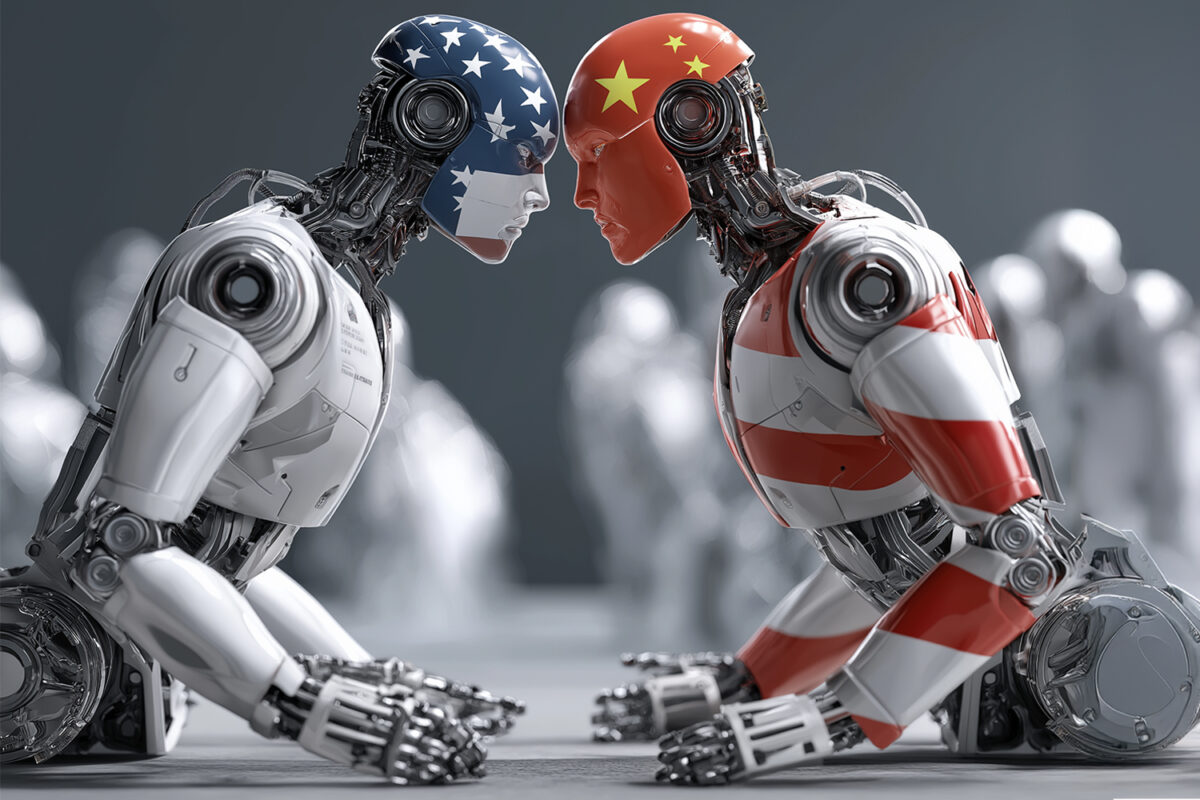
Beyond the United States, the international system is increasingly defined by great-power competition without guardrails. Russia, four years into the Ukraine war by 2026, is no longer fighting for survival but for leverage—militarily, economically, and diplomatically—while recalibrating its position between China and a hostile West. China, for its part, has demonstrated resilience under tariff pressure, weaponised supply-chain dominance, and emerged as a decisive actor across Asia, Africa, and the technological domain. The contest between Washington and Beijing is no longer simply about trade or influence; it is about control over the future architecture of power—AI, rare earths, semiconductors, and standards-setting.
Europe enters this period strategically exposed. Internally divided, politically fragmented, and economically constrained, the continent faces uncomfortable questions about its relevance, autonomy, and long-term alignment. Simultaneously, regions once treated as peripheral—the Arctic, Africa, the Red Sea, and parts of Latin America—are becoming central theatres in global competition, not because of ideology, but because of resources, geography, and chokepoints.
The global system is moving away from stability through institutions toward order enforced by leverage. In this environment, the central question is no longer whether the old rules can be saved, but who will benefit most from their collapse.