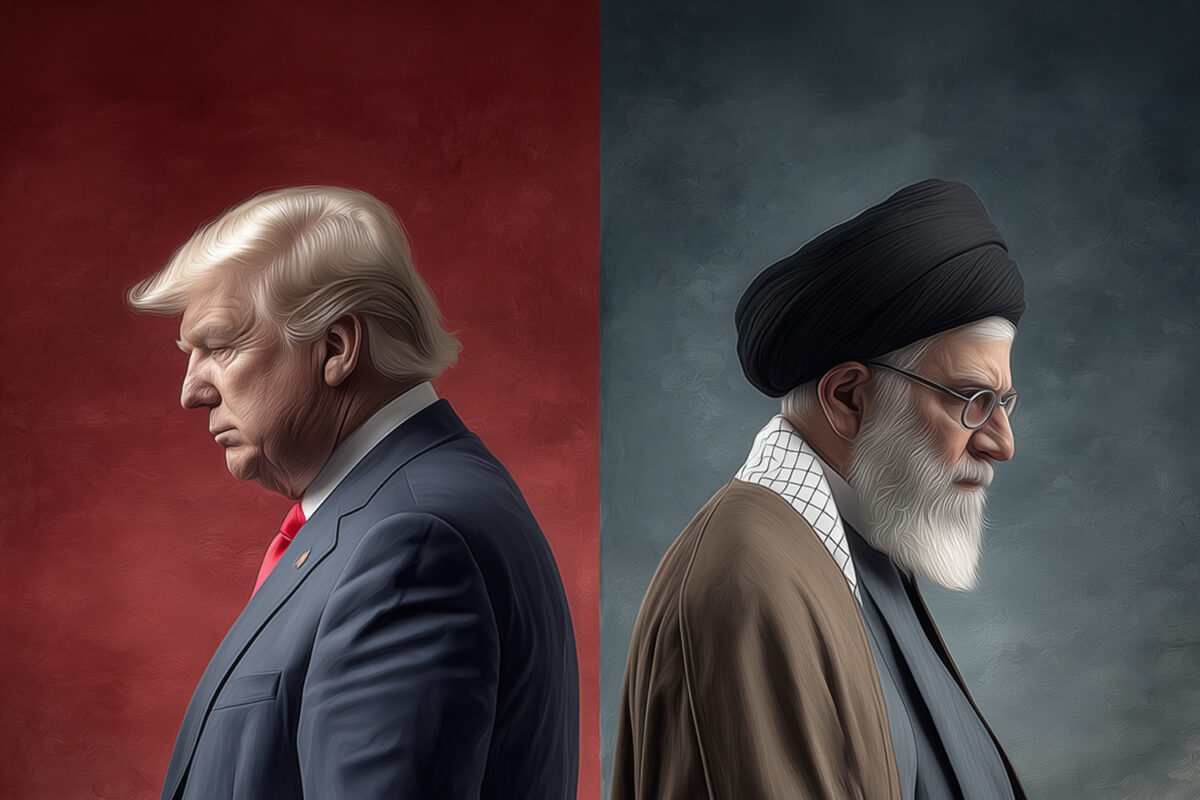


In wars between vastly unequal powers, victory is rarely defined by battlefield conquest. Smaller or weaker states often win simply by surviving. For Iran, this principle is central to understanding the current conflict with the US and Israel. Tehran is not attempting to defeat the US military or destroy Israel’s military capabilities in a conventional sense. Instead, Iran’s path to victory lies in preventing its adversaries from achieving their strategic objectives.
For Tehran, success means preserving the state, maintaining its core military capabilities, and emerging from the conflict still able to influence regional politics. If Iran can impose enough military, economic and political costs on its opponents to make the war unsustainable, it could claim a strategic victory even if its infrastructure suffers heavy damage. In other words, the conflict is less about battlefield triumph and more about strategic endurance.
Understanding how Iran might achieve such an outcome requires examining the structural realities of the war and the strategies available to Tehran.
Asymmetric Reality
The military balance between Iran and the US–Israel alliance is highly uneven. Israel possesses one of the most advanced air forces in the world, while the US maintains unmatched global power projection capabilities. Iran’s air force is outdated, largely composed of aircraft purchased before the 1979 revolution or domestically maintained versions of older platforms.
Air defence is also a critical vulnerability. Years of sanctions and technological isolation have prevented Iran from building a fully modern integrated air defence system comparable to those operated by advanced militaries. While Tehran has developed domestic systems such as the Bavar-373 and the 3rd Khordad, much of its network still relies on older designs derived from Cold War technology.
This imbalance means Iran cannot realistically compete with the US or Israel in conventional air warfare. Any attempt to do so would quickly lead to the destruction of much of its military infrastructure.
Instead, Iran has built its strategy around asymmetry. Over decades it has developed a large arsenal of ballistic missiles, cruise missiles and drones designed to bypass traditional airpower advantages. These systems allow Tehran to threaten regional bases, energy infrastructure and urban centres across the Middle East.
Missiles therefore form the backbone of Iran’s deterrence strategy. Even if Iran cannot prevent airstrikes against its territory, it can ensure that any attack carries consequences.
Redefining Victory
Because of this asymmetry, Iran defines victory differently from its adversaries.
Israel and the US seek to degrade Iran’s military capabilities, weaken its regional influence, and force major political concessions from the regime in Tehran. Their objective is strategic rollback.
Iran’s objective, however, is strategic survival. If Iran remains intact, retains a credible missile arsenal and continues to exert influence across the region through its proxy groups and political relationships, Tehran could argue that the campaign against it failed.
Iran has been here before. During the Iran–Iraq War in the 1980s, Saddam Hussein’s Iraq possessed superior conventional forces and received extensive international backing. Yet after eight years of war the conflict ended without Iran’s regime collapsing.
Iran defines victory differently from its adversaries
Regime Stability
The most important battlefield in the current war is not necessarily military but political. Iran’s leadership structure is designed to maintain regime continuity even during periods of crisis, but sustained external pressure can create internal fractures.
For Tehran, maintaining elite cohesion is therefore essential. The Islamic Revolutionary Guard Corps (IRGC), the clerical establishment and the broader security apparatus must remain unified behind the leadership. If the political centre holds, Iran can absorb significant military damage while continuing to function. But if the leadership begins to fragment, external military pressure could rapidly translate into internal instability.
This is why decapitation strikes or attempts to target senior leadership figures are often central to the strategies of Iran’s adversaries. Removing key leaders could potentially destabilise the regime’s command structure. Iran’s counterstrategy is institutional resilience—ensuring that leadership succession and command continuity remain intact even during heavy conflict.
Iran’s Missile Strategy
Iran’s missile forces are the most visible element of its military strategy. Over the past two decades Tehran has developed one of the largest missile arsenals in the Middle East, including short-range, medium-range and increasingly precise systems. These weapons allow Iran to threaten targets across the region without relying on airpower.
Missiles provide several strategic advantages:
First, survivability. Many Iranian missile systems are mobile and stored in hardened underground facilities, making them difficult to destroy completely through airstrikes.
Second, reach. Iran can strike targets thousands of kilometres away, including military bases, ports, energy infrastructure and cities.
Third, psychological impact. Missile attacks can generate political pressure within targeted countries even if the physical damage is limited.
Iran’s strategy is not necessarily to overwhelm its adversaries militarily but to demonstrate that attacks against Iran will produce consequences that extend far beyond its borders. This deterrent effect becomes especially important when combined with regional escalation risks.
Iran’s strategy is not necessarily to overwhelm its adversaries militarily but to demonstrate that attacks against Iran will produce consequences that extend far beyond its borders
Leveraging the Strait of Hormuz
One of Iran’s most powerful strategic tools is geography. The Strait of Hormuz, a narrow maritime chokepoint connecting the Persian Gulf to global markets, carries roughly one-fifth of the world’s oil supply. Any disruption to traffic through the strait can immediately affect global energy markets.
Iran does not necessarily need to permanently close the strait to create strategic leverage. Even temporary disruptions or the perception of risk can drive up energy prices and generate international pressure to end hostilities.
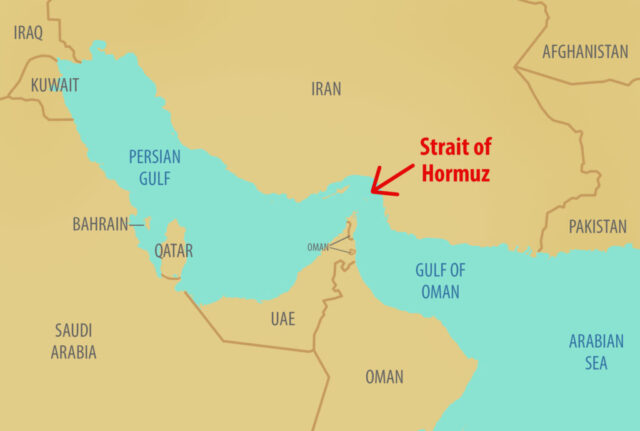
For many countries—particularly in Asia—energy security is a central concern. If conflict with Iran threatens global oil supplies, governments around the world may push for diplomatic solutions rather than prolonged war.
This is why it’s not surprising Iran targeted the Strait. Iran’s geographic position transforms it into a strategic gatekeeper of one of the world’s most important energy corridors.
The Regional Dimension
Another pillar of Iran’s strategy lies in its network of regional relationships. Over the past four decades Tehran has cultivated ties with a range of political and armed groups across the Middle East. These relationships extend Iran’s strategic reach and complicate the calculations of its adversaries.
If the conflict expands, multiple fronts could emerge across the region. This would force Israel and potentially the United States to divert military resources to several theatres simultaneously. The existence of these networks means that any war with Iran risks becoming a broader regional confrontation. For Tehran, this creates deterrence through complexity. The more actors involved in the conflict, the harder it becomes for any single power to achieve decisive results.
The War of Time
The most important factor in determining the outcome of the conflict is time. The US and Israel possess overwhelming military superiority, but sustaining a prolonged campaign carries its own costs. Extended wars strain political support, disrupt economic activity and increase the risk of unintended escalation.
Iran’s strategy therefore centres on endurance. If Tehran can prevent its adversaries from achieving rapid decisive results, the political calculus surrounding the war may begin to shift. International actors worried about economic disruption or regional instability may push for negotiations.
In many conflicts, time favours the side that can endure the longest rather than the side with the most powerful military. Iran’s leadership understands this dynamic well. The country endured eight years of war with Iraq, decades of sanctions and repeated periods of international isolation. This experience has shaped a strategic culture that prioritises resilience over rapid victory.
In many conflicts, time favours the side that can endure the longest rather than the side with the most powerful military. Iran’s leadership understands this dynamic well
The Limits of Escalation
However, Iran must also balance escalation carefully. While missile strikes and regional pressure can impose costs on its adversaries, excessive escalation could produce the opposite effect by drawing additional states into the conflict. If Iran were perceived as threatening global shipping or attacking multiple regional states simultaneously, it could trigger a broader international coalition against it.
Tehran’s challenge is therefore calibration—applying enough pressure to raise the cost of war without provoking an overwhelming response. This balance between deterrence and restraint will likely shape the trajectory of the conflict.
Survival
Ultimately, Iran’s best path to victory lies not in defeating its adversaries but in preventing them from defeating it.
If Iran emerges from the war with its regime intact, its missile capabilities largely preserved and its regional influence still present, Tehran could argue that the campaign against it failed. In geopolitical terms, survival itself would represent a strategic success.
The United States and Israel may possess overwhelming military power, but wars are rarely decided by raw capability alone. Political endurance, strategic geography and the ability to impose costs on opponents can all reshape the balance of outcomes.
For Iran, the objective is clear: endure the storm, deny its adversaries a decisive victory, and wait for the moment when the costs of war outweigh its perceived benefits.
If Tehran can achieve that, it may not look like victory on the battlefield—but in the language of geopolitics, it would be victory nonetheless.