

|
Getting your Trinity Audio player ready...
|
After months of ambiguity, Washington’s intentions towards Iran are beginning to take shape. Speculation, even among seasoned political analysts, has ranged widely. From claims of a Zionist Epstein-linked intrigue designed to blackmail Donald Trump into destroying what Israel regards as its principal regional adversary, to forecasts of an outright attempt at regime change. Opinion remains divided.
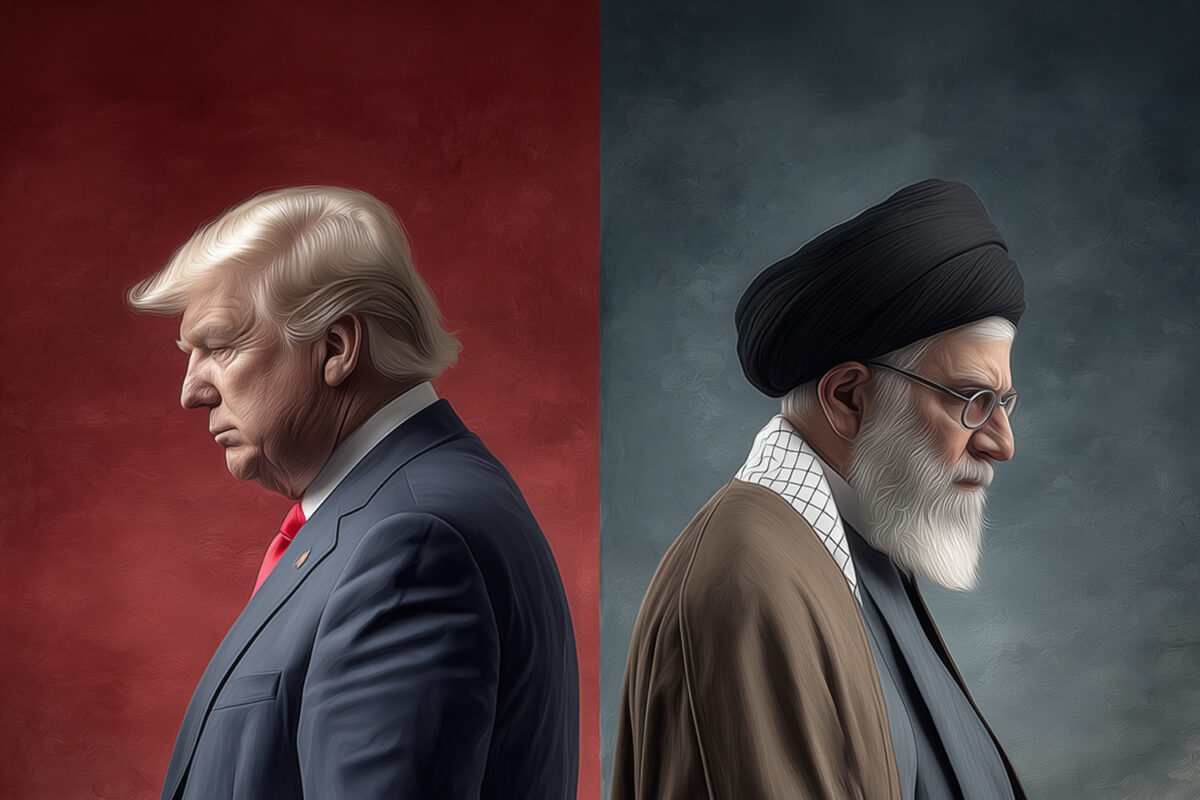
What is beyond dispute is that, historically, since its inception, Iran’s clerical regime has often functioned less as a straightforward adversary of the United States than as a tacit strategic counterweight. Public belligerence has frequently masked private accommodation. While neither side harbours affection for the other, their interests have aligned with notable regularity. In Iraq, Iranian-backed militias under the command of Qasem Soleimani played a decisive role in stabilising the US occupation at moments of acute peril. In Afghanistan and Syria, Tehran proved a useful, if uneasy, partner in containing disorder until alternative arrangements could be fashioned, including the eventual transition away from Bashar al-Assad. Hardline factions within the Iranian system have, paradoxically, often been the most operationally valuable.
While neither side harbours affection for the other, their interests have aligned with notable regularity
Tehran’s clerical establishment may have come to regard itself as indispensable. Yet the one constant in international relations is that interests evolve, and alliances shift accordingly. With Afghanistan, Iraq and Syria now largely settled from Washington’s vantage point, the utility of an assertive Shia crescent projecting influence into predominantly Sunni regions has diminished. Beginning with the targeted killing of Soleimani, the United States has appeared gradually to weaken or remove elements of Iran’s hardline camp.
America’s present posture in the Middle East raises profound questions. Notably, Washington has neither cultivated nor sponsored an Iranian opposition capable of toppling the regime, with or without American assistance. Unlike in Afghanistan, where US air power proved decisive against the first incarnation of the Taliban, no comparable armed movement has been fostered against Tehran, despite the geographic possibilities offered by neighbouring Pakistan, Iraq or Turkey. Nor has the United States massed ground forces on the scale seen prior to the 2003 invasion of Iraq. It is therefore reasonable to conclude that outright regime removal may not be the immediate objective.
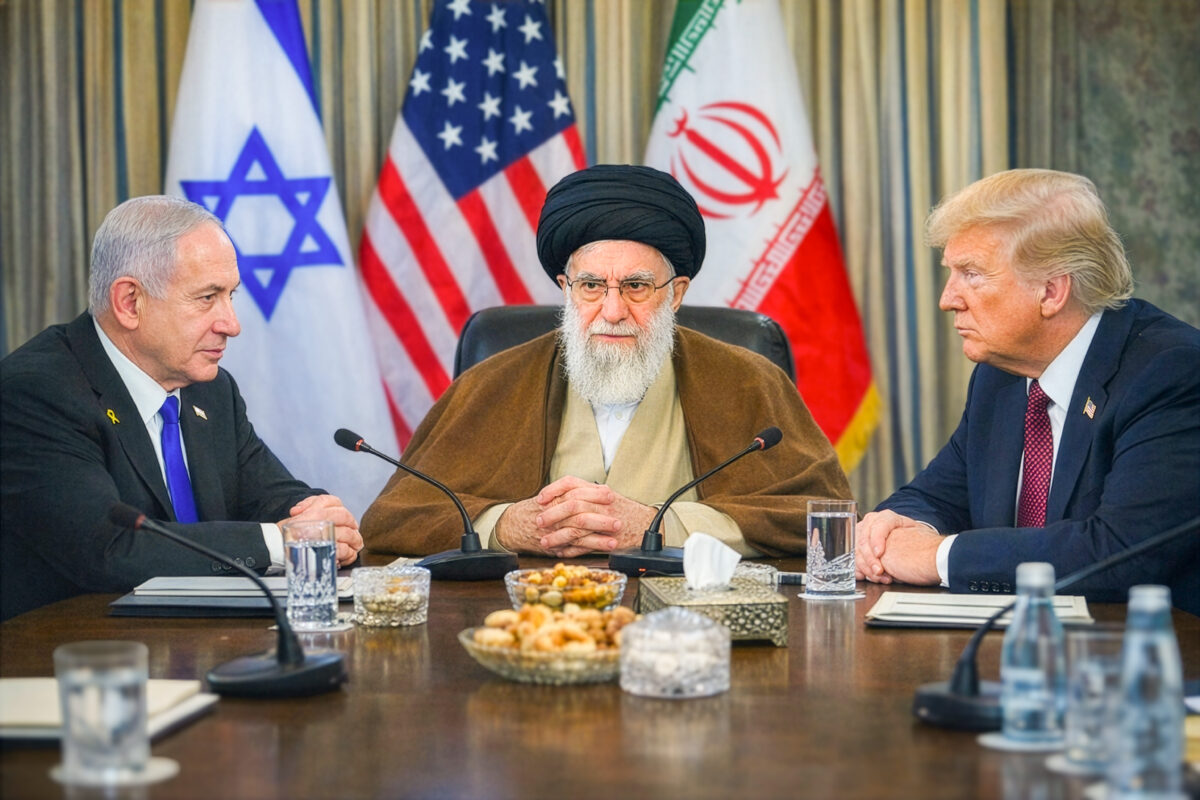
Recent negotiations in Doha, Oman, however, suggest a different kind of ambition. American demands were maximalist: a permanent cessation of uranium enrichment on Iranian soil; the transfer of all enriched stockpiles; an agreement without sunset clauses such as those contained in the 2015 nuclear accord; stringent and enduring limits on ballistic missile development, particularly intercontinental capabilities; the termination of support for regional armed groups including Hamas, Hezbollah and the Houthis; and an end to repression following domestic unrest. These stipulations would, if realised, entrench Israel’s military superiority and sharply curtail Tehran’s capacity to project power, abroad and at home. It is difficult to imagine Iran’s Supreme Leader, Ali Khamenei, or the entrenched hardliners acquiescing to such terms. Their removal, or marginalisation, would therefore become strategically expedient for Washington, not least in securing Israel’s regional position.
Following its success in Venezuela and the removal of Nicolás Maduro, pressure on Tehran appeared only a matter of time. A calibrated internal realignment within the existing Iranian power structure, producing a more compliant faction, would represent a far cleaner outcome for Washington than the risks attendant upon chaotic regime collapse.
In this context, the restrained posture of China and Russia acquires a certain logic. Were Iran wholly independent of American influence, the present confrontation would offer Beijing and Moscow a prime opportunity to inflict strategic costs upon the United States. Iran possesses formidable ballistic missile capabilities but lacks the sophisticated sensor networks required to complete the kill chains necessary to threaten US carrier strike groups effectively. Both China and Russia possess the technical means to provide such support, yet neither has done so. From their perspective, Iran remains, albeit uneasily, within an American-managed equilibrium.
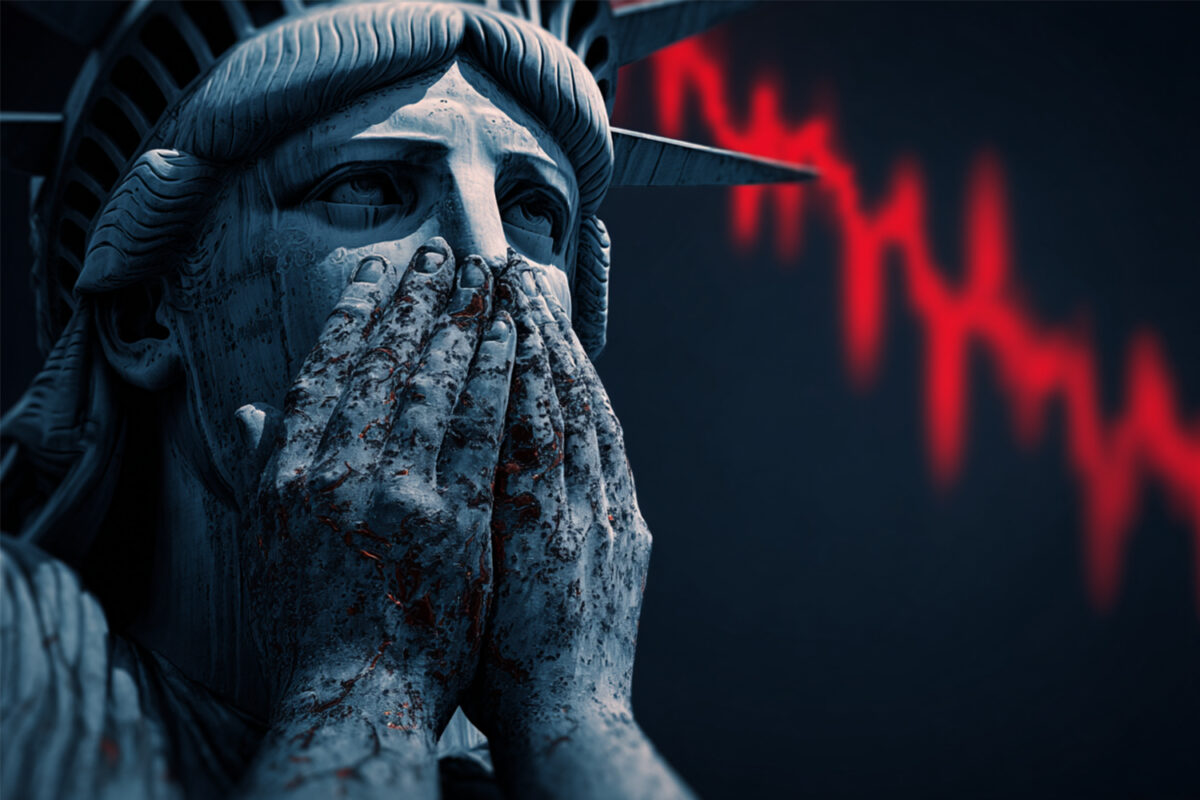
For Washington, the strategy is not without hazard. The United States is ill-positioned for a protracted conflict. Domestic consensus is fragile; economic resilience is open to question; and sustained wartime expenditure would intensify inflationary pressures and strain the dollar’s standing. Should Tehran endure a drawn-out confrontation, or succeed in inflicting significant damage upon American assets, US prestige would suffer accordingly, and confidence in the dollar’s primacy would erode further.